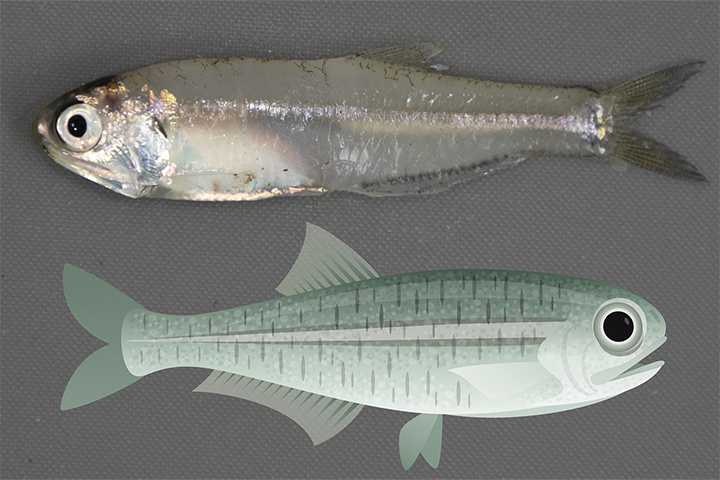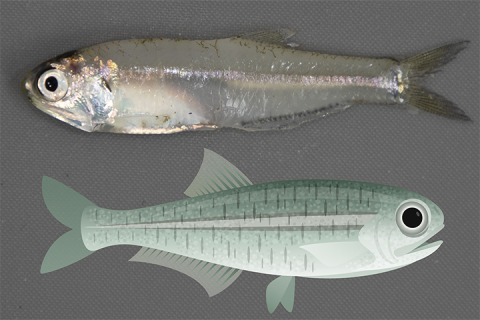
The Sapelo Island Reserve and its partners produced a suite of compelling educational media to highlight the ecological significance of estuarine fish species and enhance public understanding of their identification.
The Project
Estuarine ecosystems are some of the most productive and diverse habitats on earth and play a critical role in the health and well-being of coastal communities. Estuarine fishes are a vital component of these ecosystems, serving as indicators of environmental health and supporting recreational and commercial fisheries. Historically, a lack of public media and guides on game and large charismatic fish species in Georgia estuaries has contributed to challenges in identifying fishes in their juvenile stages, which may look very different from their adult morphologies. To address this need, the Sapelo Island National Estuarine Research Reserve envisioned a suite of professional communications products designed to support the existing outreach, education, and monitoring efforts of regional partners.
The project’s final products include a website that features a catalog of commonly occurring species, educational videos, and printable field guides. The team also developed three training modules through Google Classroom, two of which are designed for coastal professionals doing hands on-education, ecotour guides, and non-profit environmental educators. Each module includes sections explaining the protocols to the sampling efforts, equipment, safety procedures and responsibilities of each Team Lead, how to recruit and train volunteers, and guidance for data management and data entry. The development of these products has provided valuable resources that have strengthened coastal partnerships between agencies and academic organizations.
The Impact
- Participation in this project strengthened coastal partnerships among agencies, academic organizations, and the local community.
- Making all the resources developed during this project publicly available will help the team expand the Estuarine Fish Monitoring Cooperative and facilitate onboarding for new participants.
- Engagement and outreach efforts have increased public interest and awareness in estuarine fishes and the Estuarine Fish Monitoring Cooperative, which in turn has drawn additional interest from ecotourism and coastal workforce groups.