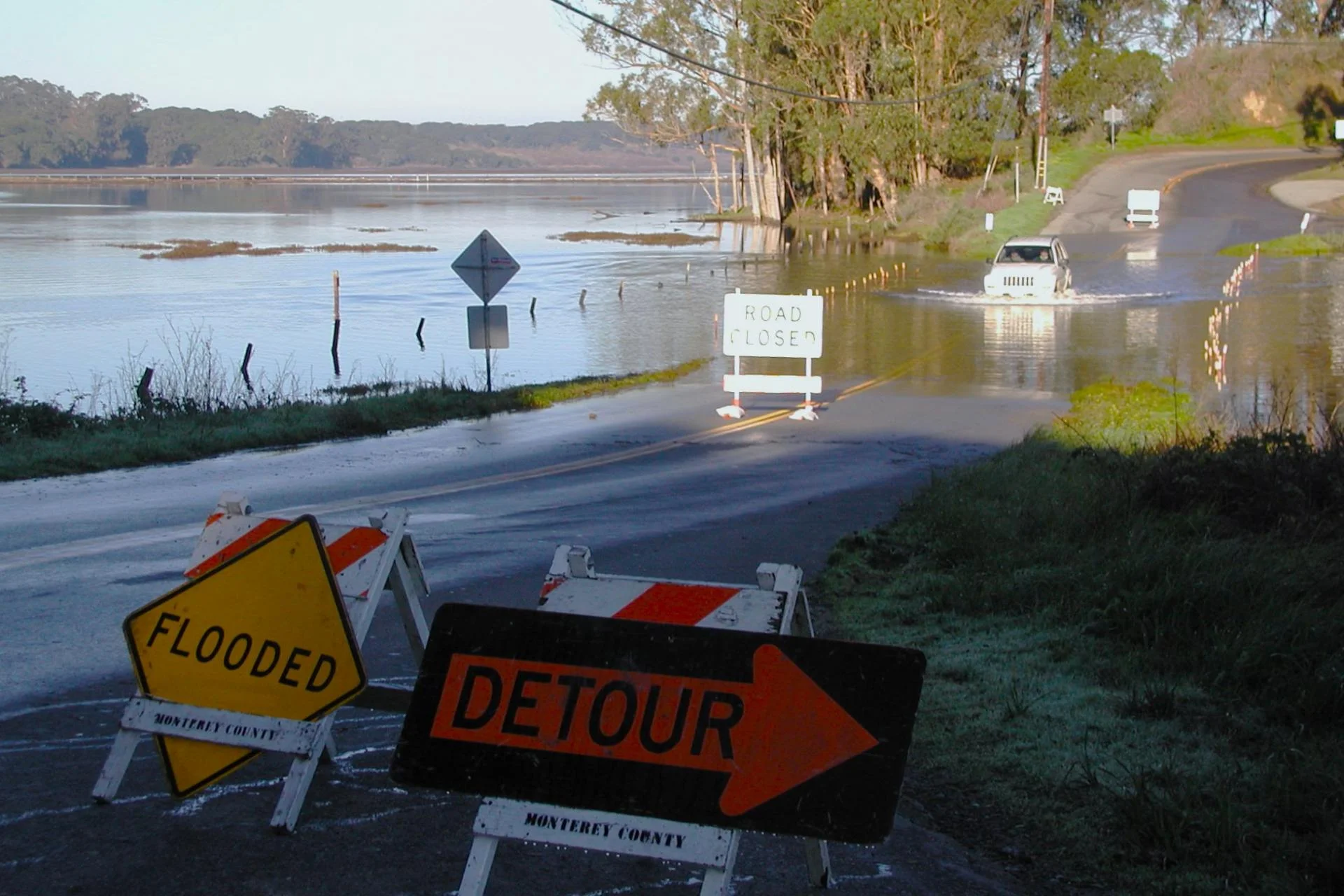
This multi-reserve science transfer project brought the San Francisco Bay, Tijuana River, and Elkhorn Slough NERRs together to compare, synthesize, and share with state leaders in Sacramento their respective experiences working towards solutions for jointly threatened coastal roads and adjacent habitats in California.
The Project
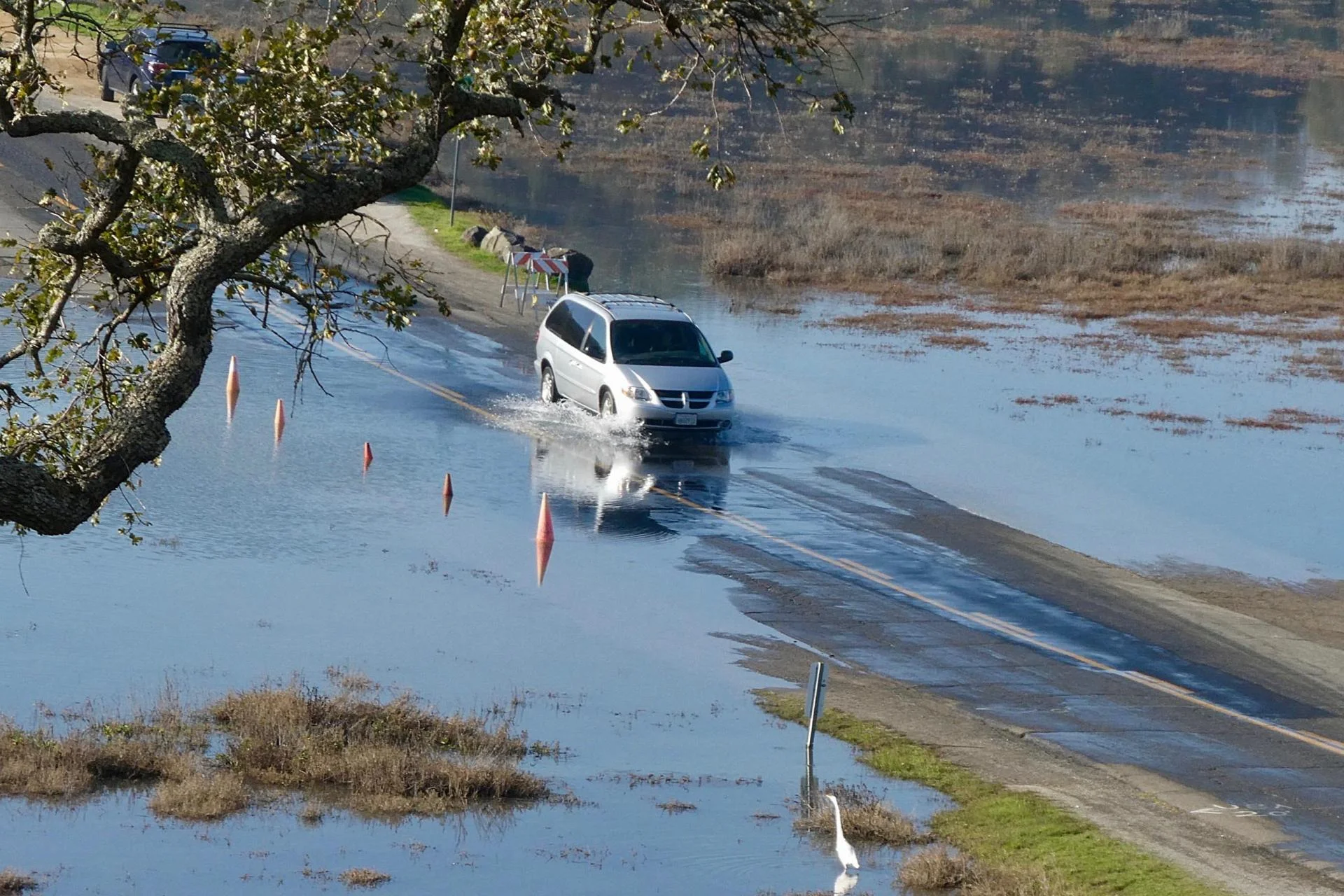
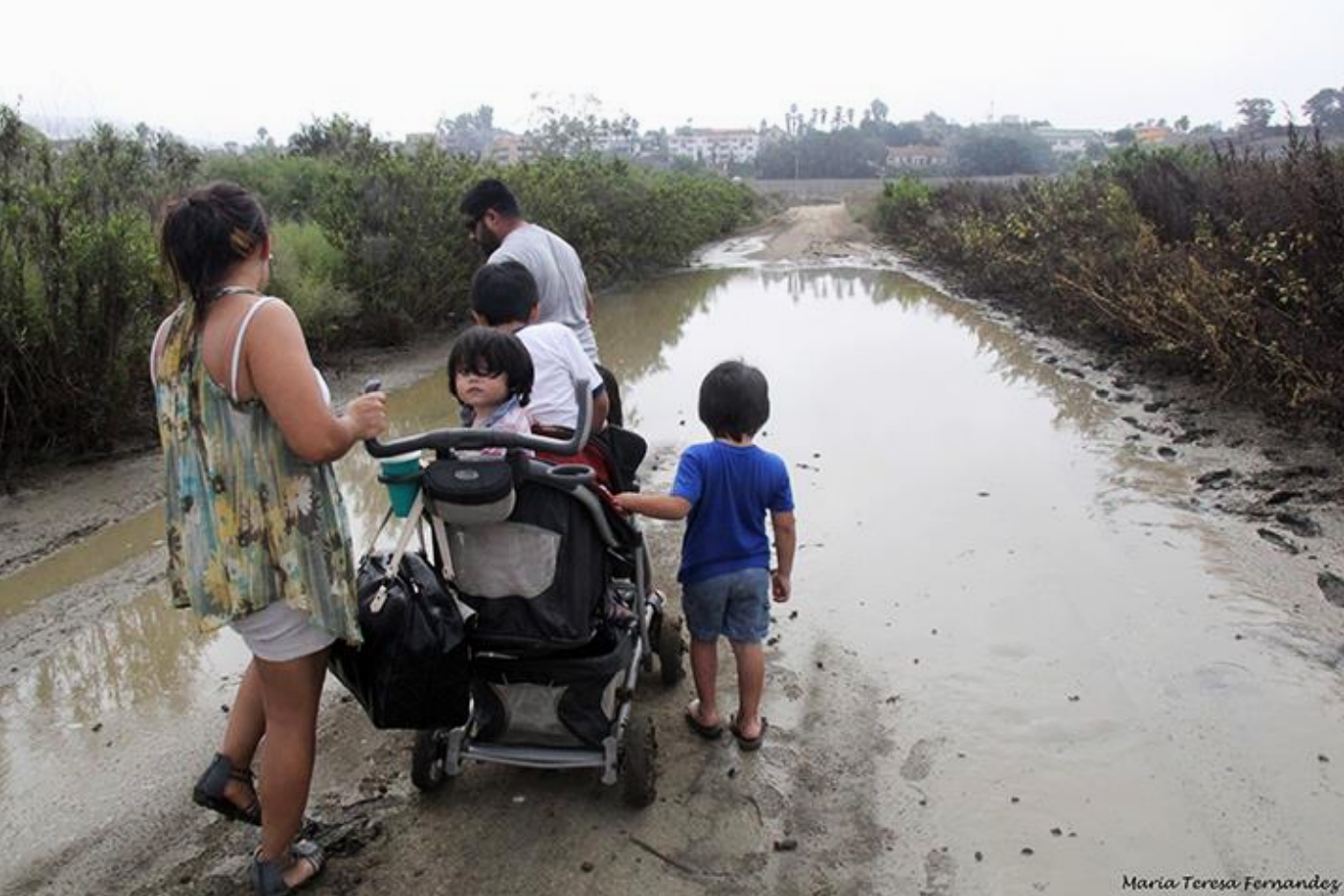
In many parts of coastal California, sea level rise, especially when coupled with significant storm events, threatens low-lying coastal roads with flooding. Rising seas also threaten tidal marshes, causing them to drown when the supply of new sediment is too low, and the marshes cannot shift higher up the shore fast enough. Moreover, coastal roads often disconnect sections of marsh, and create barriers to the shoreward migration of this important habitat, squeezing it between rising waters and our transportation infrastructure. These interactions create special adaptation-planning challenges, calling for integrated approaches for addressing the intertwined transportation and habitat restoration needs.
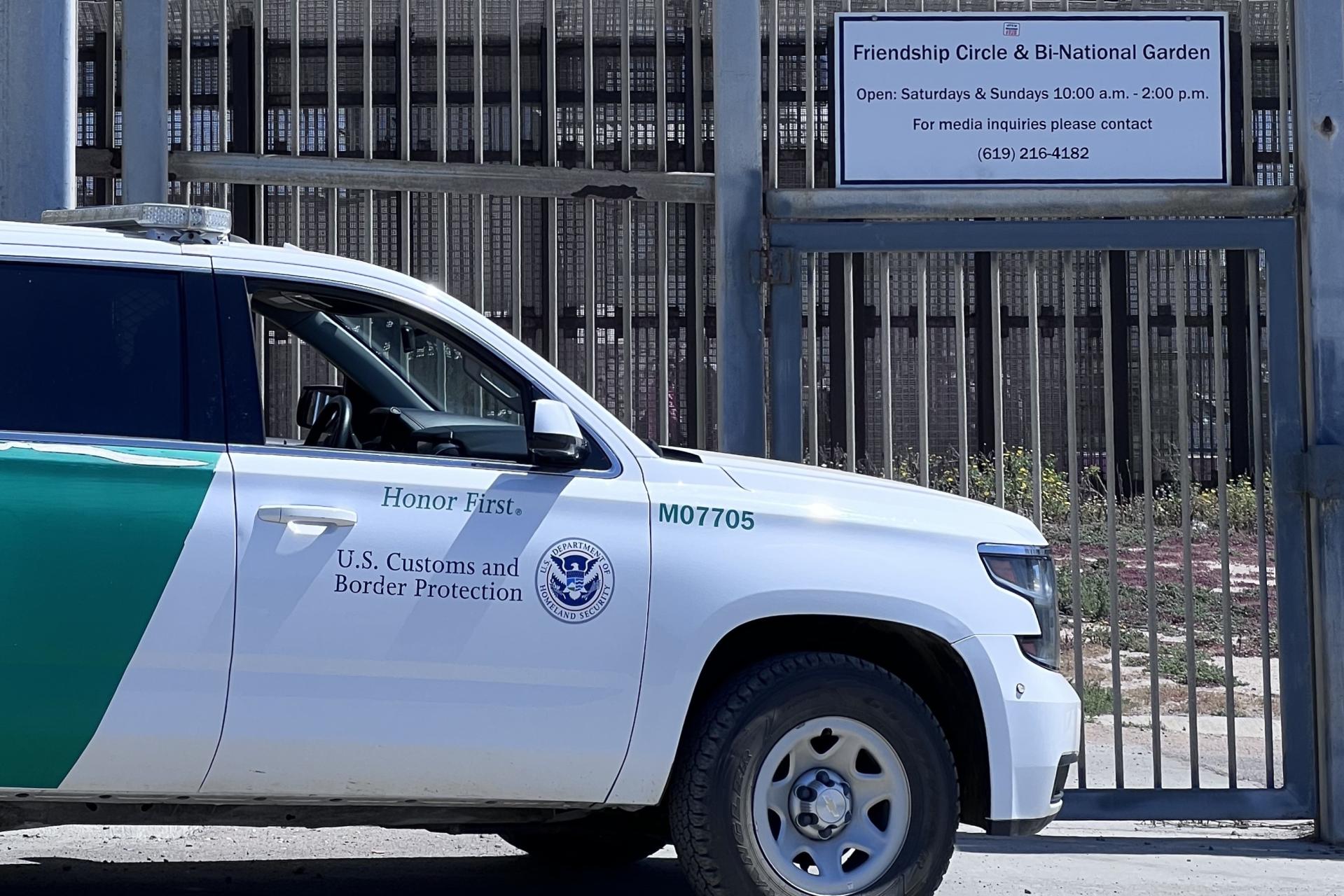
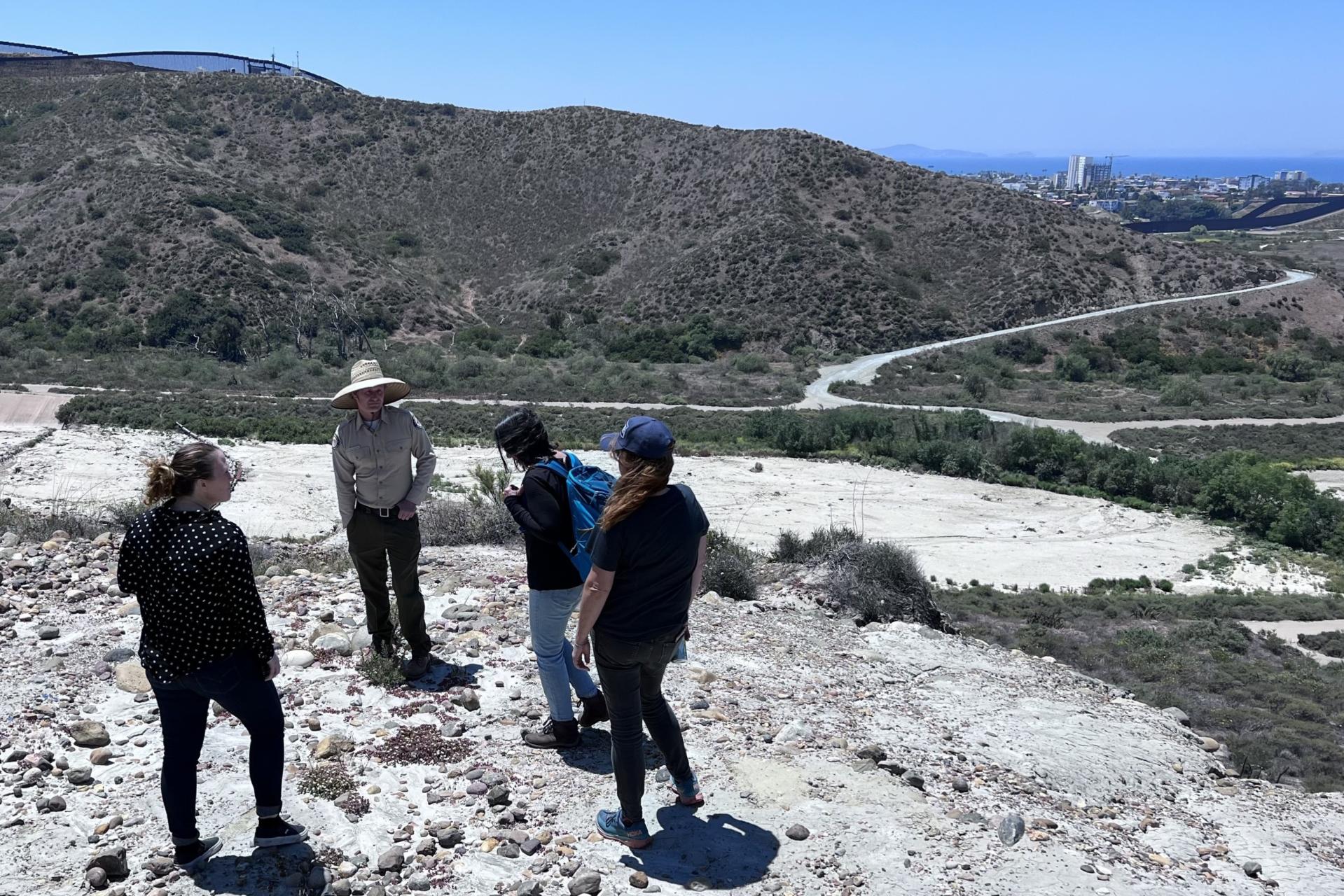
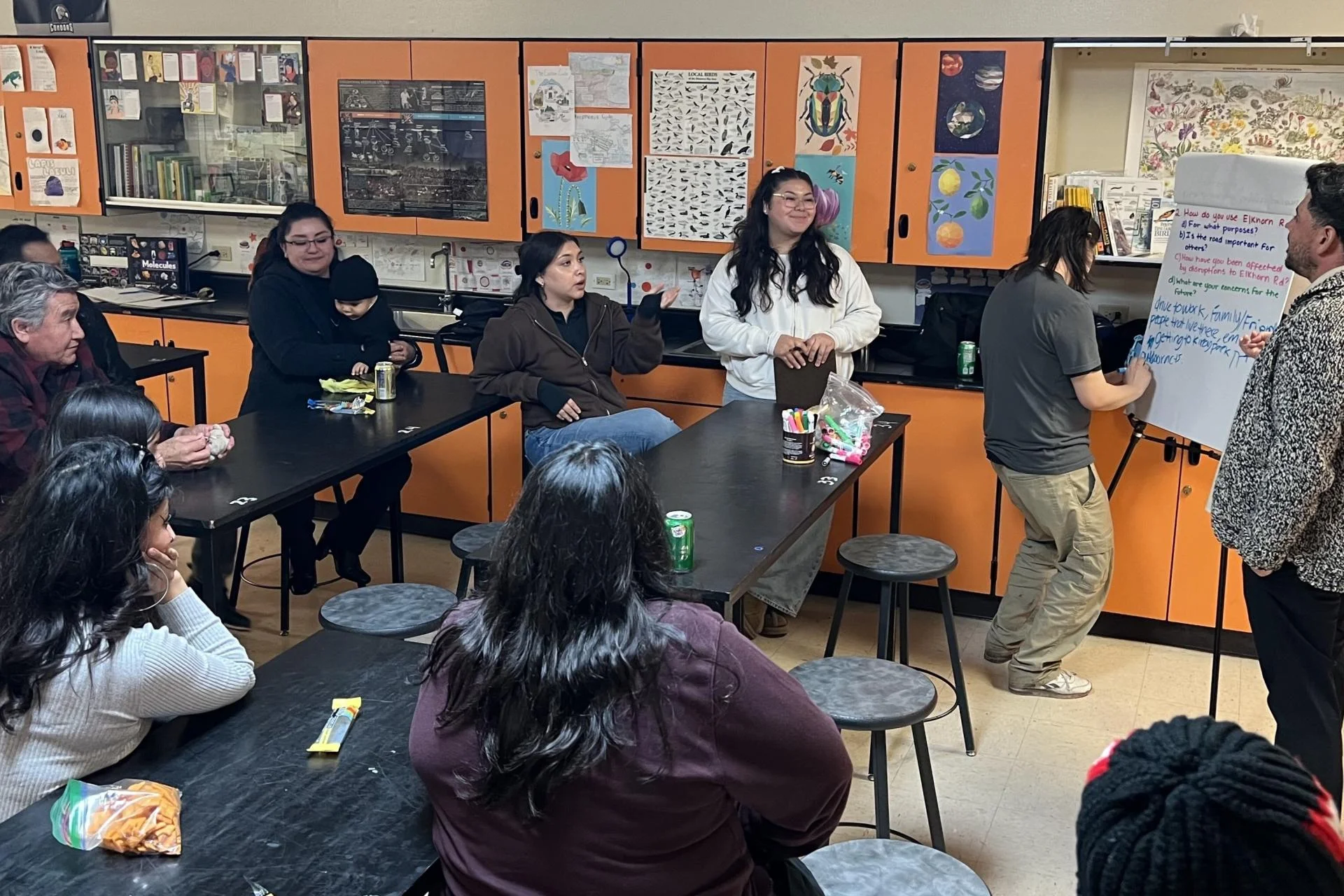
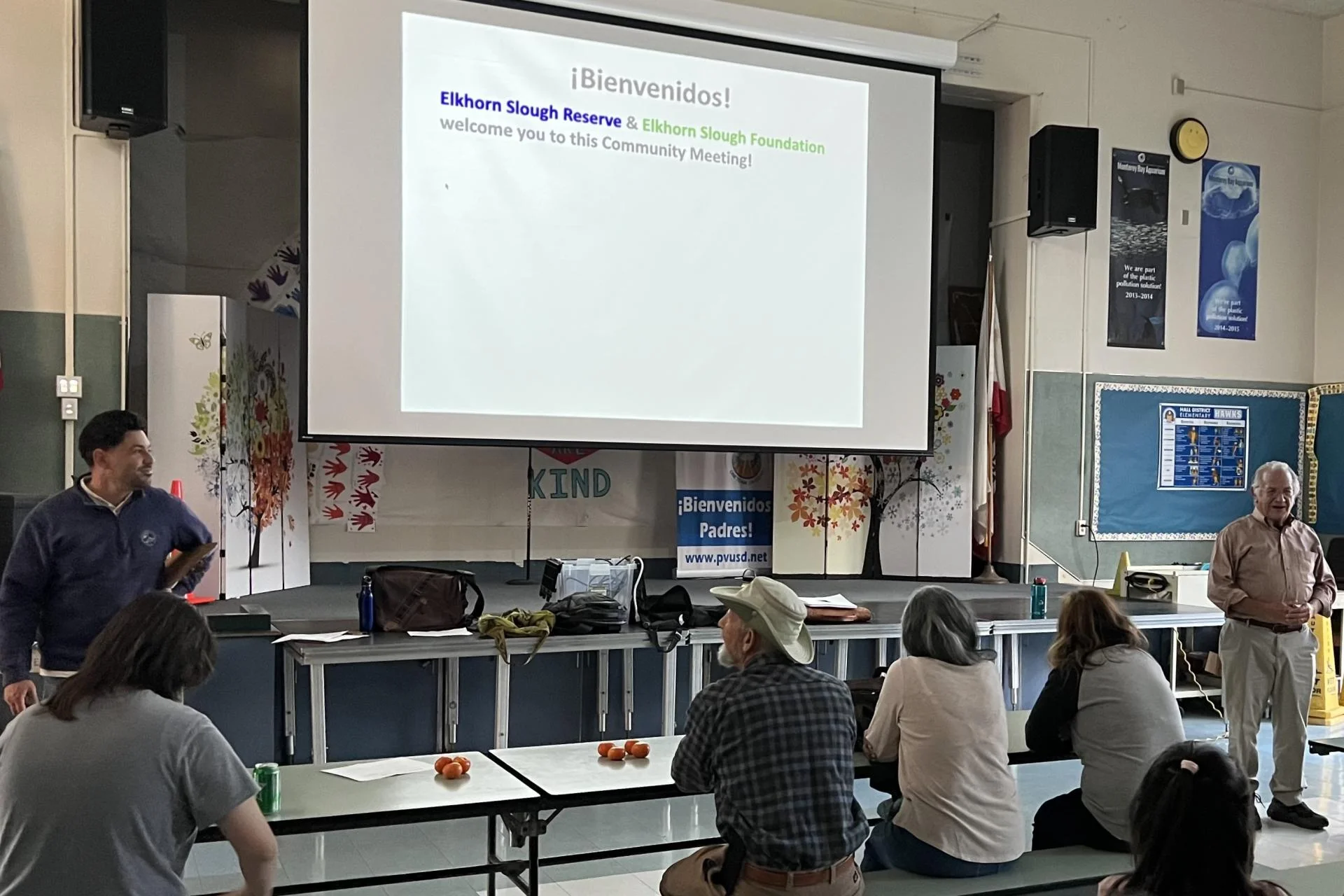
In response to this need, this project brought together the three California reserves for a series of site visits and meetings with local experts to discuss planning challenges and potential pathways to addressing them. Each reserve iteratively drafted a case story that includes their experiences engaging with local stakeholders, transportation agencies, and regulators as well as a framework for characterizing the critical, site-specific contexts of those experiences. The project culminated in two days of meetings in the state capital in which project team representatives met with state agency and legislative office staff devoted to natural resource and transportation issues.
The Impact
- Conversations with state agency and legislative staff in the state capitol have increased awareness of the three California NERRs and their ongoing efforts to work toward natural and nature-based adaptive solutions to flooding, and positioned the reserves to more regularly engage with such groups to highlight how the NERRs can serve as models for coastal management across the California coast.
- Participation in the project has deepened relationships and understanding of unique contexts, challenges, and opportunities across the three reserves.
- Engagement with frontline communities strengthened relationships with Elkhorn Slough NERR, and helped prepare student leaders and their communities for greater involvement in ongoing and emerging adaptation planning processes.
- The collaborations that occurred during the project contributed to strengthening networks of coastal managers, state partners, regulatory agencies, and transportation agencies involved in road planning in the site areas.