- Watch: Full Session Recording (YouTube)
- Explore: Webinar Summary Resources
Cultural ecosystem services (CES) – or the non-material benefits that result from human relationships with the environment – support and maintain place-based values, worldviews, cultural identity, and well-being. Given their potential to reveal relationships between human and environmental well-being, the inclusion of CES in natural resource planning and decision making processes is critical to successful long-term stewardship and management strategies. Despite being one of four main categories of ecosystem services, CES are not often assessed due to a range of gaps in identification and evaluation methods.
This project addressed the need to fill these knowledge gaps by establishing a sustainable network of CES practitioners that support each other, engage others through their CES experiences, and share approaches for identifying and working within the unique socio-ecological contexts across the Reserve System. In this webinar, the project team showcased three examples, from their Resource Guide, that highlight how Reserves have engaged with CES across all sectors through internship and fellowship experiences, research protocols, and evaluation.
Please note: The duration of this webinar has been extended by 15 minutes to accommodate additional Q&A time at the end of the session.
Speakers:
 | Rachel Dacks, University of Hawaiʻi Rachel Dacks is an Assistant Professor in the Department of Natural Resources and Environmental Management at the University of Hawaiʻi at Mānoa. She is specifically interested in how monitoring and evaluation of conservation and resource management interventions can be guided by biocultural approaches, in order to reflect the wellbeing of the entire system. Rachel served as the project lead for this project. |
 | Jessica Brunacini, Wells National Estuarine Research Reserve Dr. Jessica Brunacini (she/her) is a coastal resilience scholar-practitioner who has nearly two decades of experience working in climate change engagement, planning, and research. She is especially interested in identifying engaged, equitable, and empathetic strategies for working with communities who are ready to begin talking about and planning for “getting out of harm’s way.” Jessica brought her expertise as Director of the Training and Engagement program at Wells, as well as her experience as a Davidson Fellow to this project. |
 | Kristen Goodrich, Tijuana River National Estuarine Research Reserve Kristen is an interdisciplinary social scientist and multicultural community counselor, interested in the human dimensions of coastal management. Kristen’s experiences with environmental protection in the U.S.-Mexico border region and focus on psychosocial resilience have provided the project unique perspectives on the challenges of – and opportunities for - engaging with CES in complex contexts. |
 | Ingrid Harrald, Kachemak Bay National Estuarine Research Reserve Ingrid spent a large portion of her adult life on remote islands studying seabirds. She has worked as both a scientist and educator with many local organizations and is interested in how we can build community around our environment, sense of place, citizen science, and social justice in the sciences. Ingrid has a Masters in Social Work and her expertise in this field was important in this project when considering the wellbeing contributions of CES. |
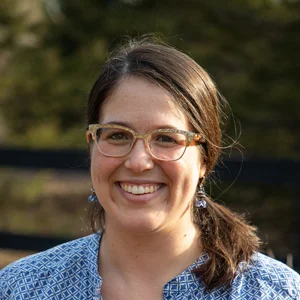 | Luciana Ranelli, Lake Superior National Estuarine Research Reserve Luciana's personal and professional life revolves around fostering connections among people, ideas, and place. She has demonstrated experience and leadership in environmental education at the local and national scale. Her passion for and experiences with social and environmental justice within environmental education were important perspectives in this project. |
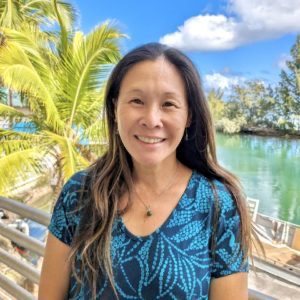 | Shimi Rii, Heʻeia National Estuarine Research Reserve Shimi coordinates research and monitoring with the overall goal of sustainably managing and restoring the He‘eia ahupua‘a. Her personal research interests lie in the diversity of organisms (specifically small protists and phytoplankton) in open ocean and reef environments, and how biodiversity relates to ecosystem functioning. Shimi is passionate about increasing diversity in STEM fields and believes that increasing science literacy in the general public is crucial for our future. Shimi’s perspectives on community-guided and culturally informed research protocols were instrumental in this project. |
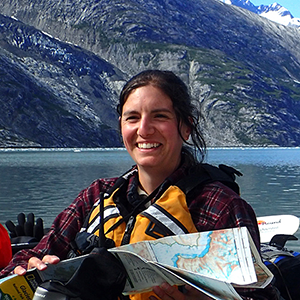 | Lauren Sutton, Kachemak Bay National Estuarine Research Reserve As Research Coordinator, Lauren’s interests include using long-term environmental monitoring data to inform about biological communities, and understanding how diversity is influenced by Kachemak Bay’s dynamic climate. Lauren’s openness and interest in collaborating across disciplines and mentoring students have provided the project with insight on opportunities for engaging with CES in the Research sector. |