- Watch: Full Session Recording (YouTube)
- Explore: Webinar Summary Resources
The municipalities within the Great Bay Watershed vary in size and their capacity to address watershed management and infrastructure issues related to water quality, creating a need to strengthen connections across social science research and its applications to outreach, education, technical assistance, and engagement. As local social science studies emerged that could inform new and existing community engagement, outreach, and education programs in the watershed, practitioners – including training and education staff at Great Bay National Estuarine Research Reserve and partners working on outreach, engagement, and education related to water quality – asked for help identifying, interpreting, and applying this research.
To help address this management need, a science transfer project team worked to gather, categorize, and summarize available relevant human dimensions research and explore the findings through workshops and interactive peer learning sessions that brought together researchers and practitioners to discuss the practical implications of the research as well as build capacity to interpret existing and design new research. In this webinar, the project team provides an overview of the approach used to build stronger connections, highlights key takeaways on how to use findings and theoretical frameworks from social science research, and discusses proposed next steps that were inspired by this transfer grant with the goal of learning from and facilitating connection across those working on related topics in other watersheds.
Speakers:
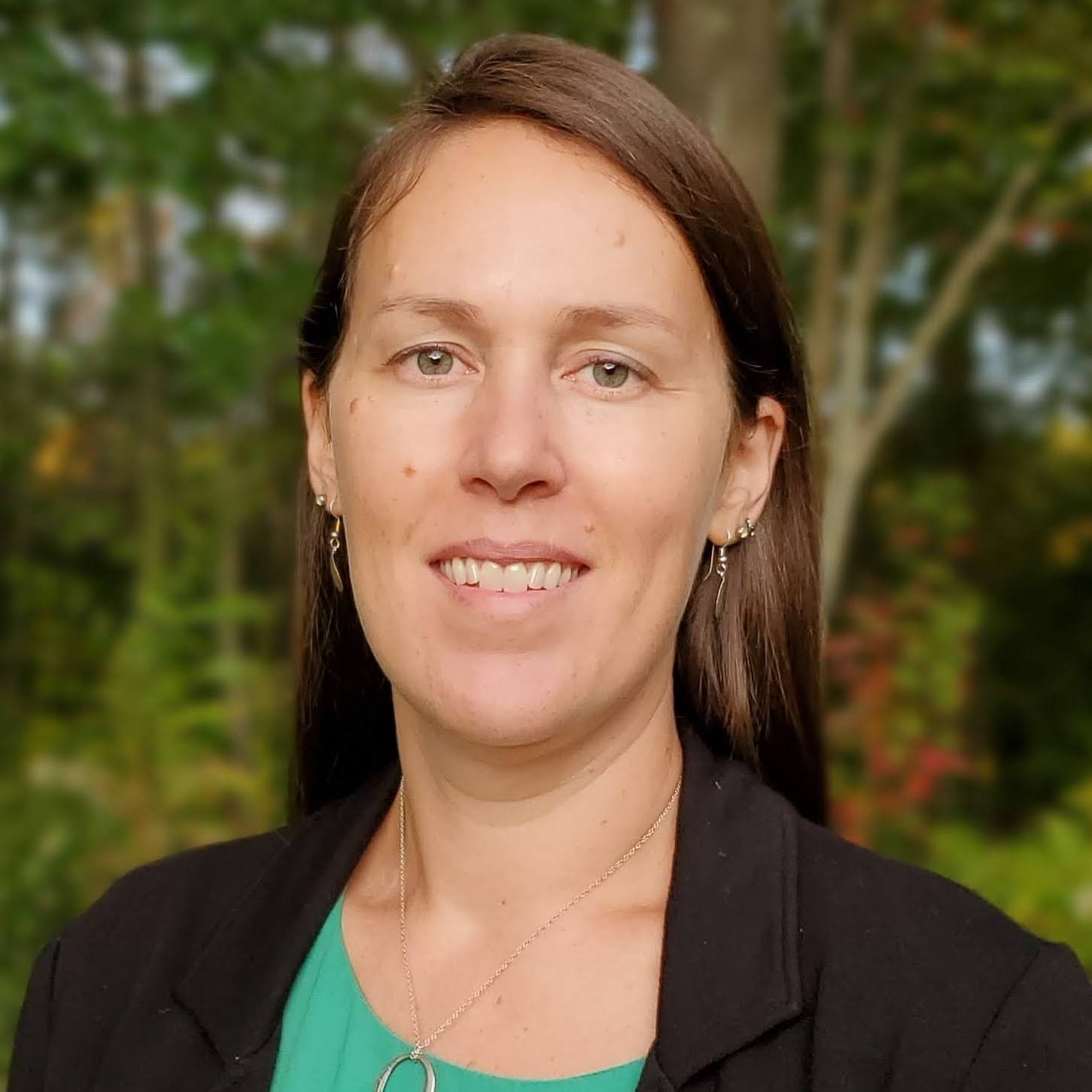 | Lindsey Williams, New Hampshire Sea Grant, University of New Hampshire Lindsey Williams served as the project and technical lead for this transfer grant. Lindsey is a social scientist and policy specialist with over 20 years of experience in research, teaching, and practice on ocean and coastal management issues. Her current work focuses on the science-policy interface, negotiation and consensus building, and collaborative processes particularly as they relate to coastal and environmental matters. Lindsey currently serves as the Associate Director of New Hampshire Sea Grant. |
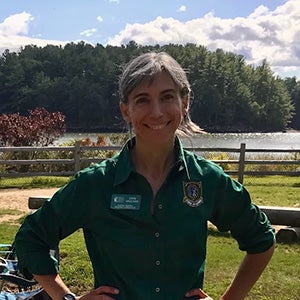 | Lynn Vaccaro, Great Bay National Estuarine Research Reserve, New Hampshire Fish & Game Lynn Vaccaro served as the collaborative co-lead for this grant, working to ensure that the project remained tied to the practitioner community needs and interests. Lynn has extensive training as an educator and a scientist and experience working with researchers, decision makers and local communities in the Great Lakes and New Hampshire Seacoast regions. Lynn currently serves as the Coastal Training Program Coordinator at the Great Bay Reserve. |
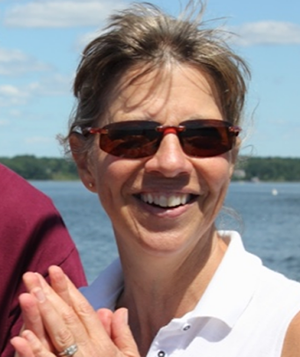 | Julia Peterson, New Hampshire Sea Grant, University of New Hampshire Julia Peterson served as the collaborative co-lead for this NERRS Science Collaborative transfer grant, working to help bridge academic research resources with practitioner community needs and interests. Julia works as an educator and outreach specialist focused on engaging with a broad range of audiences on water resource protection concepts and strategies and has experience partnering with social scientists on specific projects. Julia currently serves as the Extension Program Lead for New Hampshire Sea Grant. |
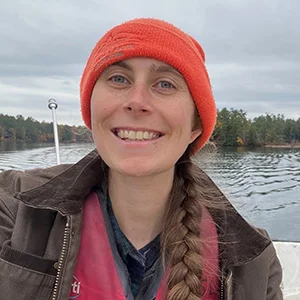 | Katri Gurney, New Hampshire Sea Grant, University of New Hampshire Katri Gurney joined the team after the completion of the grant but is working to help implement some of the project's next steps. Katri has experience in watershed conservation, environmental education, recreation and public access as well as non-profit management. Katri recently joined NH Sea Grant as a Community Engaged Graduate Research Fellow, also affiliated with the UNH Department of Natural Resources & the Environment. |