Collaborative science attracts individuals from a range of backgrounds and interests including scientists, resource managers, land stewards, educators at all levels, and more. For many, it becomes a way of working. But what draws individuals to collaborative science in the first place? Why do they keep using the approach? What kinds of impacts does collaborative science uniquely support and what are the implications for the trajectory of an individual's career?
Everyone who has participated in a collaborative science project has a story to tell about how they got started in collaborative science. The Science Collaborative program supports NERRS staff and partners in sharing about their work and what difference a collaborative science approach makes. Join this session to learn about three individuals’ experiences in collaborative science, including how they got started, what it has helped them accomplish, and why they still do it. Those who consider themselves newer to collaborative science, or even unfamiliar with it, are especially encouraged to attend and learn more!
Speakers:
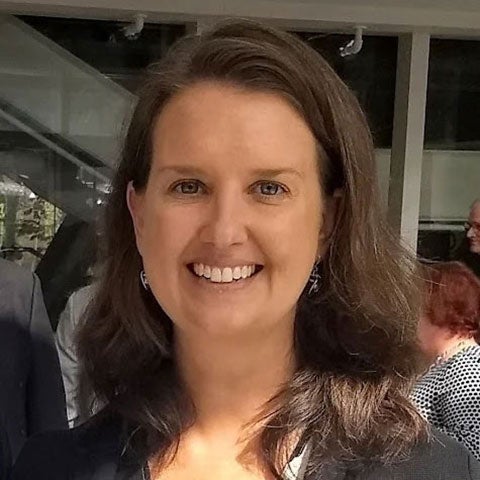 | Whitney Jenkins, North Carolina National Estuarine Research Reserve Whitney is the Training & Engagement Coordinator of the NC Coastal Reserve & NERR. Since 2002, she has promoted informed coastal decisions through science-based training for professionals; and by supporting collaborative science projects. Whitney’s work focuses on water quality, estuarine ecosystem protection, and coastal hazard resilience. She has been a collaborative lead for numerous projects and started this work before the NERRS Science Collaborative existed! She is based at the Coastal Reserve’s headquarters in Beaufort but conducts training and engagement work across North Carolina’s 20 coastal counties. |
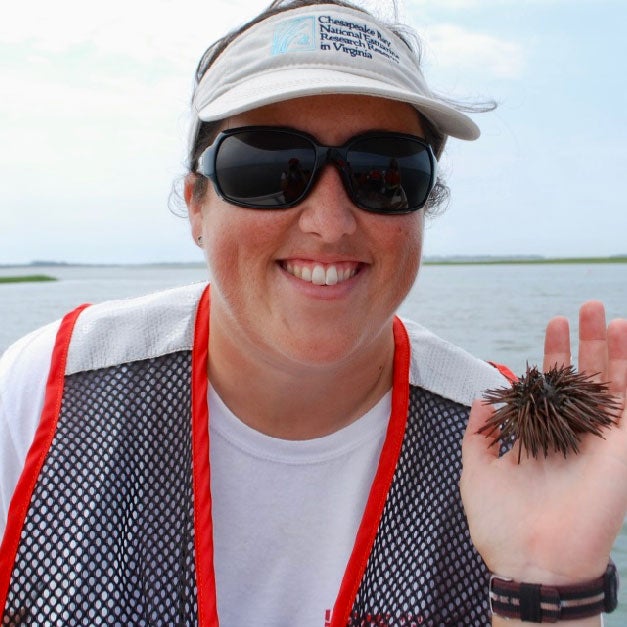 | Sarah Nuss, Batten School of Coastal and Marine Sciences, Virginia Institute of Marine Science Dr. Sarah Nuss is the Director of the Office of Outreach and Engagement at William & Mary’s VIMS and Batten School, where she provides strategic leadership for education and outreach initiatives that connect marine science with students, educators, researchers, and communities. With over two decades of experience in marine science education, Sarah has led the development and implementation of programs ranging from summer marine science camps and experiential field experiences to professional development for teachers and graduate students. Sarah’s work and research focus on experiential marine science education, environmental education, teacher preparation, and pathways to careers in ocean science. She is passionate about building partnerships that make marine science more accessible, meaningful, and relevant to diverse audiences. |
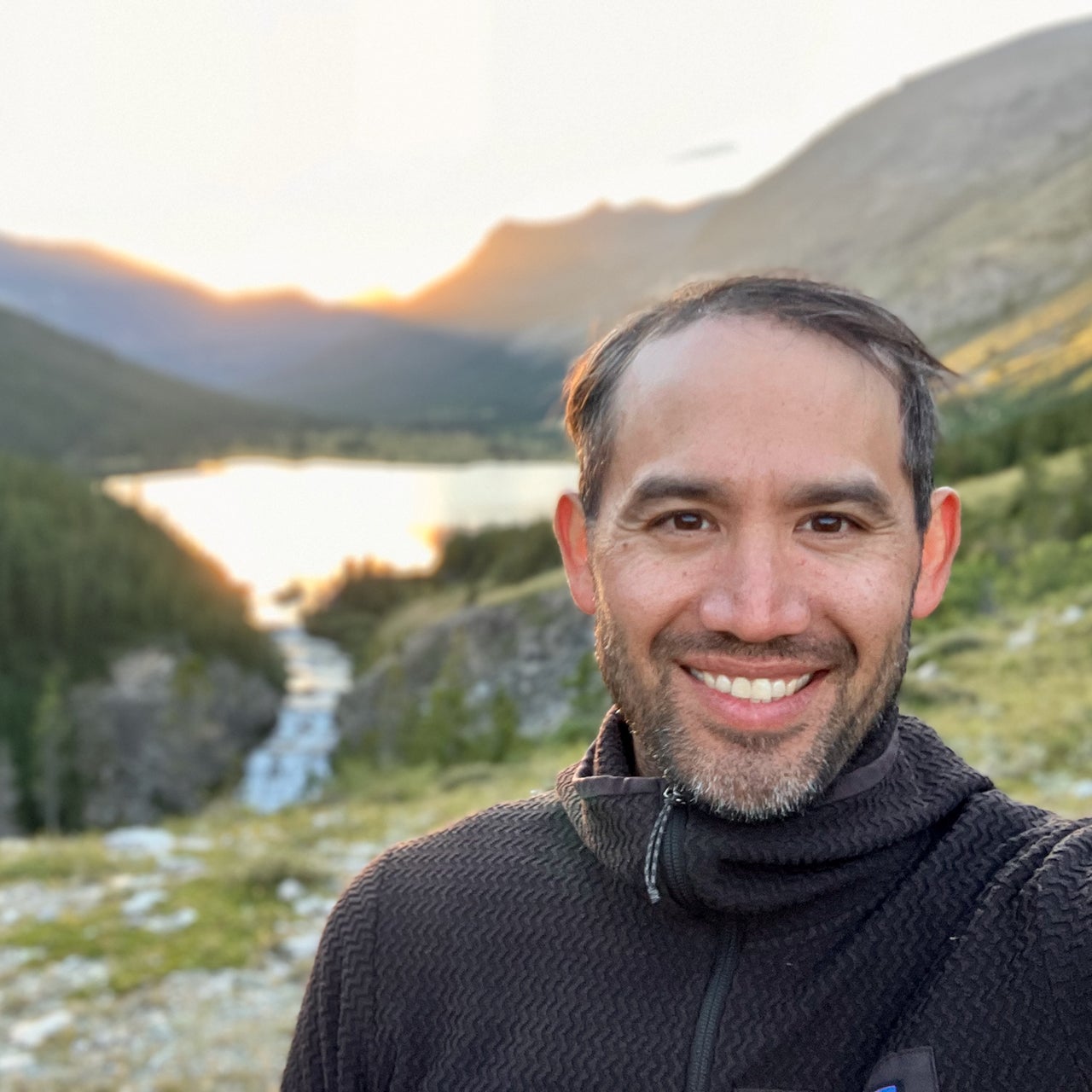 | Chris Peter, Great Bay National Estuarine Research Reserve Chris specializes in research, restoration and long-term monitoring of near-shore coastal ecosystems with a concentration in vegetative systems (tidal marshes, seagrass meadows and dunes). He has a particular emphasis on designing, implementing and analyzing long-term tidal marsh monitoring at local to national scales. Other areas of research include range expanding crustaceans in the Gulf of Maine, monitoring estuarine fish diversity using eDNA, and horseshoe crab ecology. |