- Watch: Full Session Recording (YouTube)
- Explore: Webinar Summary Resources
Estuaries are an important link in the chain of trash becoming marine debris. Plastic and other anthropogenic marine debris alter aquatic ecosystems, contaminating waterways and impacting water quality and habitat resilience. Across the NERRS, marine debris is an issue of concern for reserves and their surrounding communities. A System-wide survey conducted by the Marine Debris workgroup after the 2019 NERRS/NERRA Annual Meeting revealed an overwhelming desire for NERRS staff to work across sectors on the issue of marine debris and develop coordinated long-term monitoring and public messaging to promote understanding, behavior-change, and policy actions. To address this need, this project facilitated four knowledge transfer workshops across reserves and with the greater Debris Community of Practice (DCoP). These workshops elevated and articulated the NERRS’s niche in addressing marine debris and provided a forum to develop a Roadmap that contains resources for Reserves and DCoP members to address marine debris in individual estuaries.
In this webinar, the project team introduces the Roadmap and describe the process of its development, explores with participants how it might be applied in Reserve and other specific contexts, and shares insights on how the resource and community of practice can support reserves to make a meaningful impact on marine debris and better protect estuaries.
Speakers:
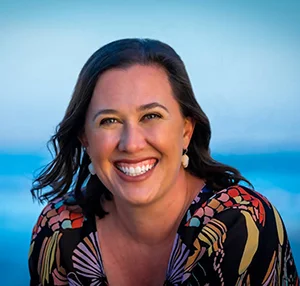 | Kristen Goodrich, Tijuana River National Estuarine Research Reserve Kristen is the Director of Training and Engagement at the Tijuana River Reserve and an interdisciplinary social scientist. At TRNERR, she works to address marine debris in a cross-border context through boundary spanning and adaptive leadership models. She was motivated to apply those frameworks to this project by leveraging previous efforts among Reserves on plastics, convening a community of practice, and learning from the transfer team and partners involved in this effort. |
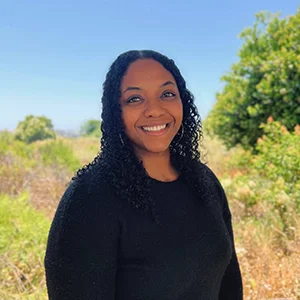 | Empress Holliday, Tijuana River National Estuarine Research Reserve Empress is an environmental geographer who has worked at TRNERR since 2021. Her work is a rich blend of focuses, with a key aspect being providing training and technical assistance for Tribal and non-Tribal coastal decision makers and community members in the U.S. and Mexico. As a core team member, Empress helped to develop the project deliverable, lead team meetings, and facilitate knowledge transfer workshops. |
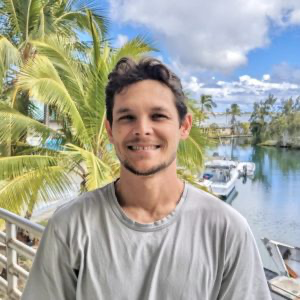 | Fred Reppun, Heʻeia National Estuarine Research Reserve Fred is the Education Coordinator for the He’eia NERR, and offers place-based education for teachers and students. His background is in environmental science and agriculture. As a core team-member on this project, Fred helped to facilitate knowledge-transfer workshops and write the Roadmap. |
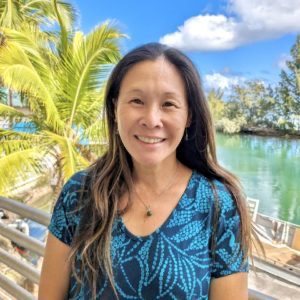 | Shimi Rii, Heʻeia National Estuarine Research Reserve Shimi serves as the Research Coordinator for the Heʻeia NERR with a specialty in nutrient and phytoplankton dynamics in estuarine, coastal, and open ocean ecosystems. Shimi, together with Sylvia Yang at Padilla Bay Reserve, co-initiated the NERRS Plastics Working Group in 2019, and has since been working to elevate “plastics,” or marine debris as an issue of priority in the NERR system through the development of the Roadmap. |