- Watch: Full Session Recording (YouTube)
- Explore: Webinar Summary Resources
Any collaborative project requires time and resources to support relationship building and project idea development. The NERRS Science Collaborative offers non-competitive capacity building grants to reserves to support them in doing just that. In this webinar, reserve staff will share how they approached the capacity building grant opportunity and what they accomplished. In this session, shared about their goals and mindset when developing a capacity building application, creative uses of funds, surprising benefits, and how capacity building activities inform next steps for future collaborative science projects. Whether you are thinking about applying for a capacity building grant or not, the conversation is informative as reserve staff discuss the kinds of activities that can help jumpstart collaborative science projects.
Speakers:
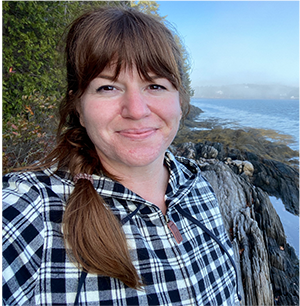 | Jessica Brunacini, Wells National Estuarine Research Reserve Jessica Brunacini is an interdisciplinary social scientist and coastal resilience practitioner who fosters reciprocal relationships between science and decision-making across the coast of Maine. She is especially interested in identifying engaged, equitable, and empathetic approaches for supporting communities who are ready to explore “out of harm’s way” strategies. |
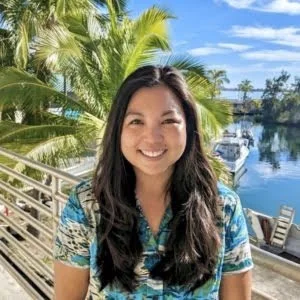 | Casey Ching, Heʻeia National Estuarine Research Reserve In her role with the Heʻeia NERR, Casey Ching works to connect communities, researchers, resource managers, and decision-makers through collaborative research, knowledge exchange opportunities, and place-based stewardship. She serves as the Kāneʻohe to Kualoa Makai Watch Coordinator, where she supports community-led efforts to promote pono fishing and boating practices, marine education, and collaboration between communities and managing agencies. |
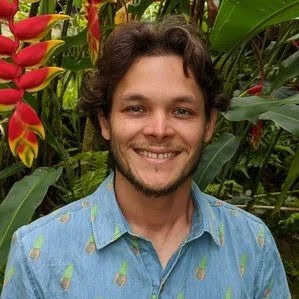 | Fred Reppun, Heʻeia National Estuarine Research Reserve Fred has an academic background in environmental science and policy. Most of his professional work has been in ʻāina-based education, similar to place-based education that integrates learning about environmental, cultural, and natural resource issues tied to a Hawaiʻi. In his role at the Heʻeia NERR, Fred coordinates a professional development program for preK-12 teachers. He also co-manages Heʻeia NERR undergraduate internships and graduate fellowships with the Research Coordinator, and co-instructs a course in place-based research methodologies for marine biology graduate students. |
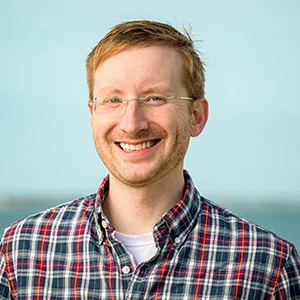 | Justin Ridge, North Carolina National Estuarine Research Reserve While Justin has only been part of the North Carolina NERR for the past three and a half years, he has been conducting research within the Reserve for 15 years that included both doctoral and post-doctoral research endeavors. In addition to administering the NCNERR’s internal research program and coordinating the on-site external research projects, he has been involved in and helped lead multiple regional and national collaborative efforts. |